
Where to Park a Family E-Bike at School and Home
Family e-bikes change the parking problem because they are longer, heavier, more visible, and harder to improvise around. The right answer is not the most hidden spot. It is the spot that lets you park, unload, and lock the bike without turning every trip into a stressful production.
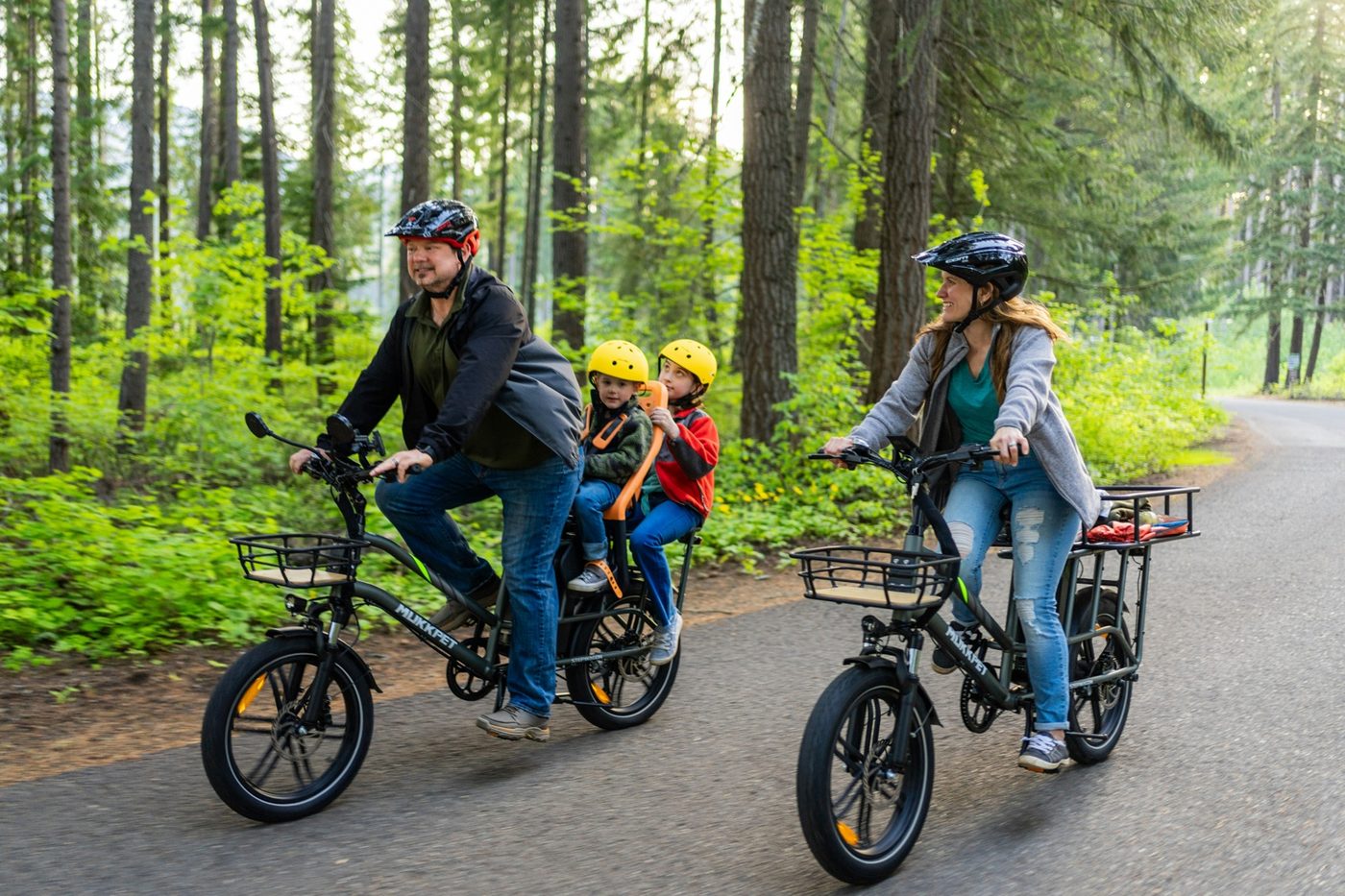
Quick take
The best family e-bike parking spot is secure enough, close enough, and calm enough for a repeatable routine. With kids, the winning setup is the one you can execute while tired, distracted, or in a hurry.
What school parking needs to do well
- Give you room to unload without chaos. You need space for helmets, bags, and kids stepping off safely.
- Offer a real anchor point. Many family bikes need more rack clearance and lock reach than standard school bike parking provides.
- Stay visible enough to discourage tampering. Hidden is not always safer if it also means isolated and awkward.
- Let you lock the bike in a calm order. Rushed parking is how batteries, bags, and lock steps get forgotten.
What home parking needs to do well
- Protect the bike from weather and theft.
- Support a sane charging routine.
- Fit the bike honestly, not theoretically.
- Make the next ride easier instead of creating a daily obstacle course.
Why family-bike parking gets underestimated
Parking is where buyers discover whether they bought the right size of bike for their life. A full-size front-loader can take up real space. Urban Arrow currently lists the Family cargo bike at 263 cm long and 68.5 cm wide, with a turning requirement that is much larger than many buyers expect. That is an excellent family tool on the road, but it is also a reminder that "we will just keep it near the door" is not a real storage plan.
At the other end, some compact cargo bikes are designed specifically to reduce parking friction. Tern currently emphasizes that the HSD can be navigated through hallways, flipped up vertically, and fit into tighter spaces than bulkier cargo bikes. That does not mean every family needs an HSD. It means parking footprint should be part of the buying decision before you choose the bike.
Where to park at school
The best school spot is usually close to the entrance but not directly in the pedestrian choke point. Favor a place with normal adult foot traffic, decent sightlines, and a rack or anchor you can use without bending the bike into a strange position. If the official rack area is packed with standard bikes and gives you no room to unload, it may be worth asking the school whether there is a better approved spot nearby.
Unload kids first if that makes the bike more stable and the routine calmer. Then lock the frame, battery if removable, and any high-value accessories in the same order every time. Consistency matters more than parking perfection.
Where to park at home
At home, indoor is best when realistic. A garage, locked storage room, or sheltered interior space beats outdoor exposure every time. But the real question is whether the bike fits without making daily life worse. If the bike blocks a hallway, requires a three-step furniture shuffle, or turns every departure into a lifting routine you already resent, that parking plan will eventually fail.
For long-tail or front-loader owners, measure the real route from the street to the final spot: gates, corners, elevator depth, hallway width, and door swing all matter. For removable-battery bikes, a slightly less convenient bike position can still work if battery removal and charging stay easy. For non-removable or awkward battery setups, the parking spot has to work with the whole bike, not just your optimism.
What a good family-bike parking routine looks like
- approach the same spot each day when possible
- unload kids and bags in the same order
- use a lock routine you can do while distracted
- avoid spots that require backing, twisting, or multi-point turns under pressure
- keep rain cover, battery, and charger decisions simple enough that other adults in the household can repeat them
Bottom line
A family e-bike feels practical when the parking routine is boring. It feels overwhelming when parking is awkward, rushed, or physically annoying every single day. Think about school racks, hallway corners, gates, and charging access before you buy the bike, not after.