
Best First Lock Setup for an E-Bike
Most buyers do not need a complicated anti-theft system on day one. They need a lock setup that is good enough to use every time, in the places they actually park.
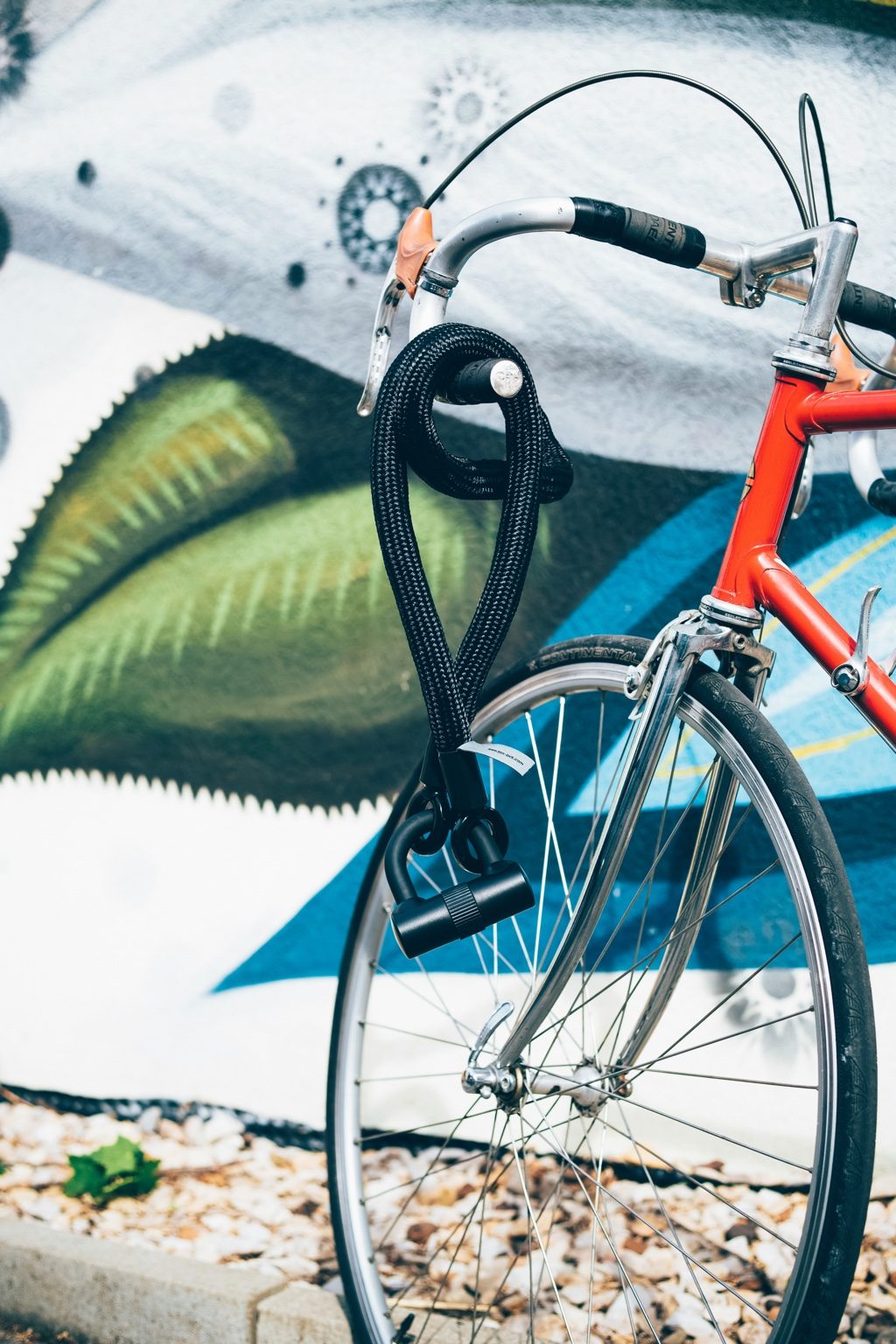
Quick take
- Start with one real primary lock, not a pile of cheap accessories.
- Match the setup to where you park: quick coffee stop, office rack, apartment hallway, or school drop-off.
- If the bike is expensive, awkward to replace, or carries kids, security should move up your budget list fast.
A strong primary lock that you will actually carry and use every single time.
They buy a flimsy lock because it is lighter, then stop trusting the setup and stop parking the bike where they need it.
Your bike is valuable, lives outside during errands, or will regularly be parked at work or school.
The best first lock setup is usually boring: one serious primary lock, one realistic parking habit, and a simple plan for battery and accessory security. That is a much better starting point than buying three mediocre locks and hoping quantity makes up for quality.
Start with the parking pattern, not the lock type
A short coffee stop, an office bike rack, and a family drop-off zone do not create the same risk. If you mostly make quick visible stops, a good primary lock may be enough. If the bike sits for hours outside work or school, the setup needs to get more serious. At home, the better move may be an anchor point or indoor storage instead of just more lock weight.
What a good first setup usually looks like
- Apartment or house with indoor storage: one strong primary lock for errands, plus a routine for removing the battery if needed.
- Office commuter: one strong primary lock plus a cable or secondary deterrent if the bike sits for longer stretches.
- Family or school-run bike: a setup you can lock quickly without a long, fussy routine while kids are waiting.
- High-value cargo or premium e-bike: a stronger primary lock and a more intentional home-storage solution from the start.
How much should you spend?
A useful rule of thumb is to spend enough that the lock quality actually matches the bike. ABUS still uses a rough benchmark of about 10% of the bike's value for security, which is aggressive for some buyers but directionally useful: if the bike is expensive, the lock should not be an afterthought.
What matters more than lock style alone
- how easy the lock is to carry
- how quickly you can use it when rushed
- whether your normal parking spots have real anchor points
- whether the battery or display is easy to remove
- whether your home storage is already doing half the theft-prevention job
A theoretically stronger setup that you leave at home is worse than a slightly less elegant setup that you always use.
Good enough for…
A first lock setup is good enough when it makes the bike realistically usable for commuting and errands without constant theft anxiety. You are not trying to build a perfect security system. You are trying to make the bike easy to secure well enough, every time.
Starts to break down when…
The first setup stops being enough when the bike is parked outside for long periods, carries expensive accessories, or is replacing enough car use that you cannot afford a theft-related interruption. That is when better home anchoring, insurance, or a second lock starts to make more sense.
FAQ
Do I need two locks right away?
Not always. Many buyers are better off with one real lock and better habits before adding complexity.
Should I lock the battery too?
If the battery is easy to remove and the parking situation is shaky, bringing it with you may matter more than adding a second mediocre lock.
What matters most for school or family stops?
Speed and consistency. A setup that works fast is much more likely to get used correctly when you are juggling kids or bags.
Still deciding whether the bike, the parking pattern, or the home setup is the real issue?
These pages help sort whether you need a better lock, a better storage routine, or a different bike entirely.
How to use this page
This page is reviewed under ElectricBikeCompare editorial standards and published by Nofo Times LLC. The goal is to help you choose around fit, storage, charging, support, safety, and day-to-day ownership, not just the best-looking spec sheet. Where a page leans on manufacturer claims, we cross-check them against the practical tradeoffs buyers usually run into after purchase.
For the full site method, read How We Evaluate E-Bikes or contact info@electricbikecompare.com.