
Cargo E-Bike vs Regular E-Bike for School Runs
If school-run duty involves kids, bags, snacks, weather gear, and rushed mornings, the right bike is usually the one that stays calm when loaded. This page explains when a regular e-bike is enough and when a real cargo bike is worth the extra size and cost.
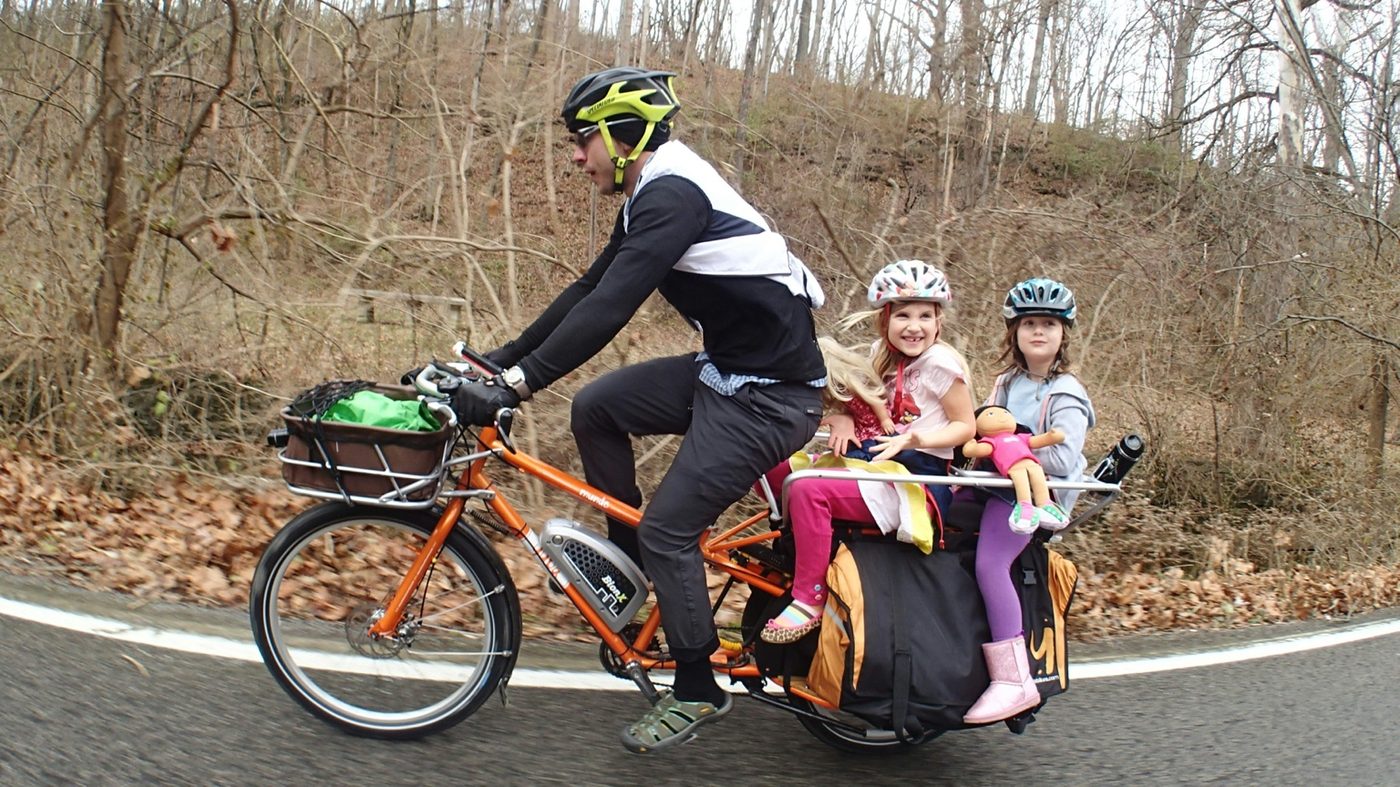
Quick take
- A regular e-bike can work for one rider and light cargo, or for very limited kid duty with the right approved child-seat setup.
- A cargo e-bike is usually the better answer once school runs become frequent, kid-heavy, or logistically messy.
- The real issue is not raw power. It is loading stability, passenger safety, and whether the bike still feels easy at 8 a.m. when nobody is cooperating.
Regular e-bike usually works if…
- the school run is basically your normal commute plus a small amount of gear
- you are carrying one small child occasionally, not building family transport around the bike
- storage space is very tight and a cargo bike would create a new daily headache
Cargo e-bike usually works if…
- you are moving one or two kids routinely
- you need school bags, groceries, or errand overlap to happen on the same trip
- you want the bike to feel stable and purpose-built, not improvised
The short answer
If school runs are occasional and simple, a regular e-bike may be enough. If school runs are a core job, a cargo e-bike is usually worth it. The moment the bike needs to handle multiple kids, larger loads, or rushed repeated use, the value of a true cargo platform becomes obvious fast.
What a regular e-bike still does well
A regular commuter e-bike is easier to store, lighter to move around, and often cheaper. That matters if you live in a small apartment, already struggle with bike storage, or only need to handle one child in a properly approved setup. It can be the right compromise when the route is short and the school run is not the whole reason you are buying the bike.
Where cargo bikes justify themselves
- Loading and unloading: better kickstands, lower centers of gravity, and passenger ecosystems matter.
- Kid carrying: real foot protection, seating options, and family accessories matter.
- Bag overlap: school runs often turn into grocery runs, library stops, and ordinary errand stacking.
- Routine stability: the bike should still feel calm when life is rushed.
What current family cargo systems show
Tern’s current family cargo guidance is a useful reference here. Tern says the Quick Haul Long can carry up to two kids or one adult passenger, with a 190 kg max gross vehicle weight and rear rack capacity built around real passenger use. That is very different from a normal rear rack on a city commuter. Purpose-built family cargo bikes are built around this job from the start.
Apartment life is the best argument for staying regular
The strongest case against a cargo bike is not the purchase price. It is storage. If a cargo bike turns your hallway, elevator, or building entry into a daily fight, the better passenger setup may not be worth the added friction. Some buyers are better off keeping the bike smaller and accepting that it will not be a full family hauler.
Buy a cargo e-bike if
- the school run is a main job, not an occasional extra
- you want one bike to handle kids plus errands
- you may eventually carry two kids
- you care more about calm loading and passenger confidence than compactness
Stick with a regular e-bike if
- storage is brutally tight
- the route is mostly solo commuting
- kid duty is occasional and limited
- you would resent living with the extra bulk every other hour of the week
Bottom line
For real school-run duty, cargo usually wins. For mixed use where compactness and storage matter just as much as passenger ability, a regular e-bike can still be the smarter overall transportation tool. Buy around the whole week, not just the cutest use case.
What school-run buyers often underestimate
The school-run question is not just “can this bike carry the load?” It is also about curbside stability, bag overflow, loading speed, awkward timing, and whether the bike still makes sense when one adult rides it alone later in the day. That is why some families genuinely need cargo-bike structure, while others are better served by a regular utility e-bike with enough rack and kid-carrying support.
- Cargo e-bike: better when kid duty is central, repeated, and messy enough that the rear of the bike is doing real work most days.
- Regular e-bike: better when school runs are part of life but not the whole point of the bike.
Buy for the worst morning, not the easiest one
If you only imagine the simplest school run, lots of bikes look capable. Picture the rushed morning with bags, jackets, lunch boxes, maybe rain, and a stop on the way home. The better choice is the one that still feels calm under that kind of load.
Still deciding whether school-run duty is enough to justify cargo size?
How to use this page
This page is reviewed under ElectricBikeCompare editorial standards and published by Nofo Times LLC. The goal is to help you choose around fit, storage, charging, support, safety, and day-to-day ownership, not just the best-looking spec sheet. Where a page leans on manufacturer claims, we cross-check them against the practical tradeoffs buyers usually run into after purchase.
For the full site method, read How We Evaluate E-Bikes or contact info@electricbikecompare.com.