
Winter E-Bike Riding and Storage Guide
Winter does not automatically end e-bike season, but it does punish sloppy battery habits, weak tires, and outdoor-storage laziness faster than the rest of the year.
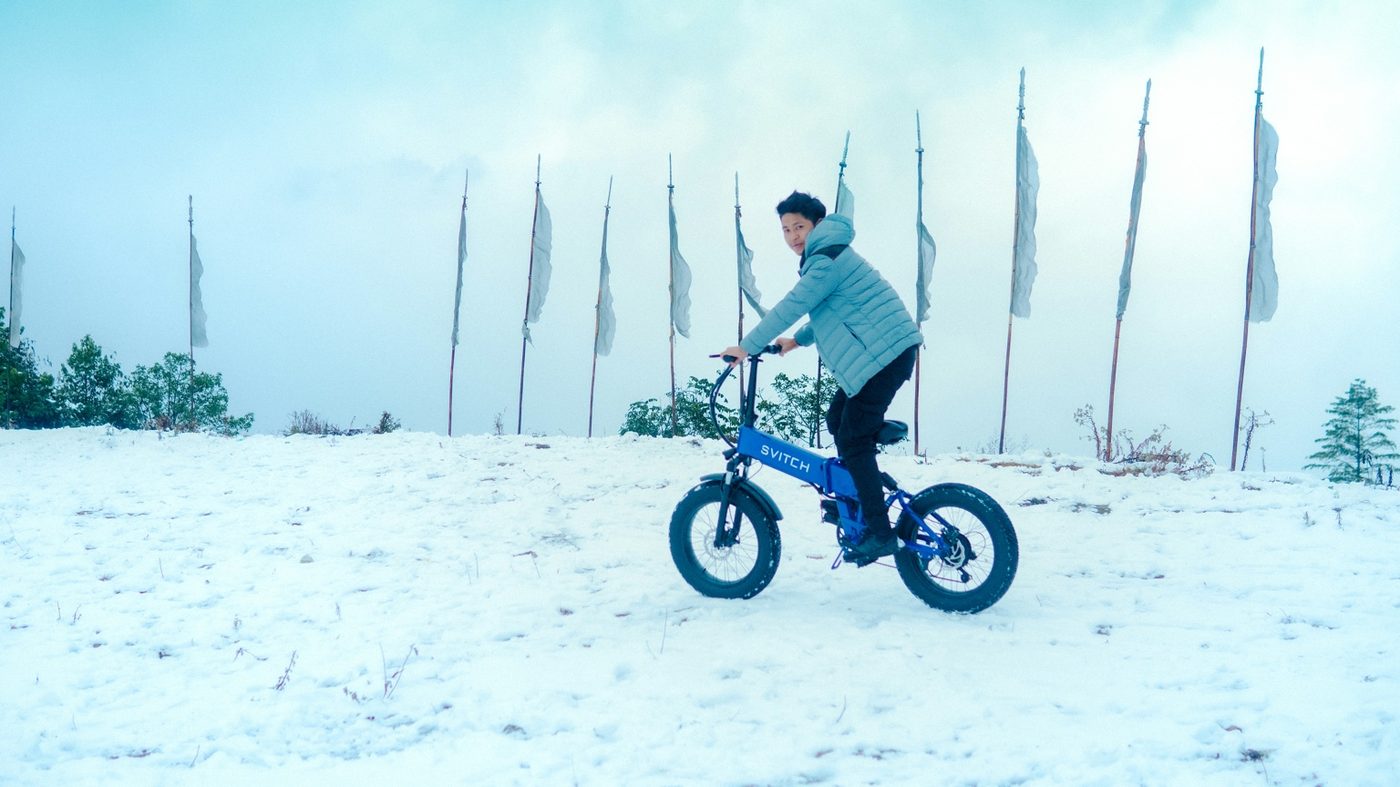
Quick take
- Store and charge the battery indoors at room temperature when possible.
- Expect less real-world range in cold weather.
- Winter success is usually about traction, battery routine, and cleanup discipline more than raw motor power.
What cold actually changes
In winter, batteries feel weaker, hands get clumsy, braking distances grow, and road grime gets everywhere. Bosch recommends storing and charging the battery at room temperature during winter use, then inserting it into the bike right before riding when temperatures are below freezing. For longer storage, Bosch recommends roughly 30% to 60% charge in a dry room with a smoke detector.
Winter battery routine that makes life easier
Do this instead of improvising
- bring the battery inside after cold rides if it is removable
- charge in a dry indoor space, not a freezing shed
- avoid storing the bike for weeks with a full or empty battery
- if the bike lives outside, make battery removal part of the daily routine
Range in winter
Real-world range drops in the cold, especially if you ride fast, use higher assist levels, or carry more load. This does not mean the bike is broken. It means winter is exposing the difference between marketing range and the route you actually ride.
What helps most on winter rides
- Good tires: often more important than more motor.
- Lower speed: especially in turns, on painted lines, and around slush.
- Fenders: worth their weight quickly once roads get filthy.
- Integrated lights: winter visibility matters more because afternoons go dark early.
Storage matters as much as riding
Winter ownership gets much worse when the bike sits outside for days with wet grime, road salt, and a cold battery. Even if the frame stays outdoors, battery removal and a simple wipe-down routine can save a lot of long-term hassle.
When winter should change your bike choice
If you expect true year-round commuting, prioritize hydraulic brakes, removable battery convenience, strong fenders, full lights, and tires that make sense for slick streets. A cheap fair-weather bike can feel miserable once cold weather exposes its weak points.
When to stop and take another option
There is no shame in skipping the ride on ice, freezing rain, or deep slush. Good winter ownership is partly about judgment. The goal is reliable transportation, not proving that an e-bike can do everything every day.
What winter changes most
Winter usually changes traction, braking distance, battery behavior, and storage routine more than it changes the motor itself. The bike can still be useful, but you need to ride with more margin and be much more deliberate about battery temperature and charging habits.
Cold-weather riding checklist
- start smoother and brake earlier because painted lines, metal covers, leaves, and slush get sketchy fast
- lower speed sooner than you think on descents and turns
- expect reduced real-world range in cold weather and leave more buffer than usual
- keep lights, fenders, and tires in better condition than you can get away with in summer
Better winter storage habits
If the bike lives in a cold garage or outside shed, bring the battery inside when practical and let it warm toward room temperature before charging. Wipe down salty spray, keep contact points clean, and do not leave the bike filthy for weeks at a time. Winter neglect shows up later as corrosion, rough drivetrains, and annoying little electrical gremlins.
When winter means a different bike would have been smarter
If your route is hilly, dark, and routinely wet or salty, a bike with better fenders, calmer tires, better integrated lights, and easier battery removal tends to feel much more livable than a bare-bones budget bike. Winter exposes weak ownership setups fast.
Bottom line
Winter e-bike use works best when you treat the battery like indoor equipment and the rest of the bike like a machine that needs a little more cleanup and patience. Cold-weather routine matters more than heroics.
Still tightening the cold-weather setup?
A winter routine that keeps the bike usable
Winter ownership usually falls apart in the routine, not on one dramatic snowy ride. The bikes that stay useful are the ones with a simple pattern: keep the battery indoors, start with warm electronics, wipe the bike down after salty rides, and avoid letting wet grime sit on contacts, rotors, and fasteners for days.
Bosch says winter use is easier when the battery is charged and stored at room temperature before riding, and for longer storage periods the battery should sit at roughly 30% to 60% charge in a dry room with a smoke detector. That is the kind of boring routine that actually matters more than aggressive cold-weather claims in marketing copy.
If your winter plan depends on outdoor charging, outdoor battery storage, or carrying a very heavy bike up icy stairs, the problem may be bike fit rather than winter technique. The right conclusion is sometimes to change the storage plan or change the bike.