
What to Look for on an E-Bike Test Ride
A good test ride is not about top speed. It is about finding the annoyances early: awkward starts, bad fit, twitchy steering, weak brakes, weird assist behavior, and storage or carrying issues you can feel right away.
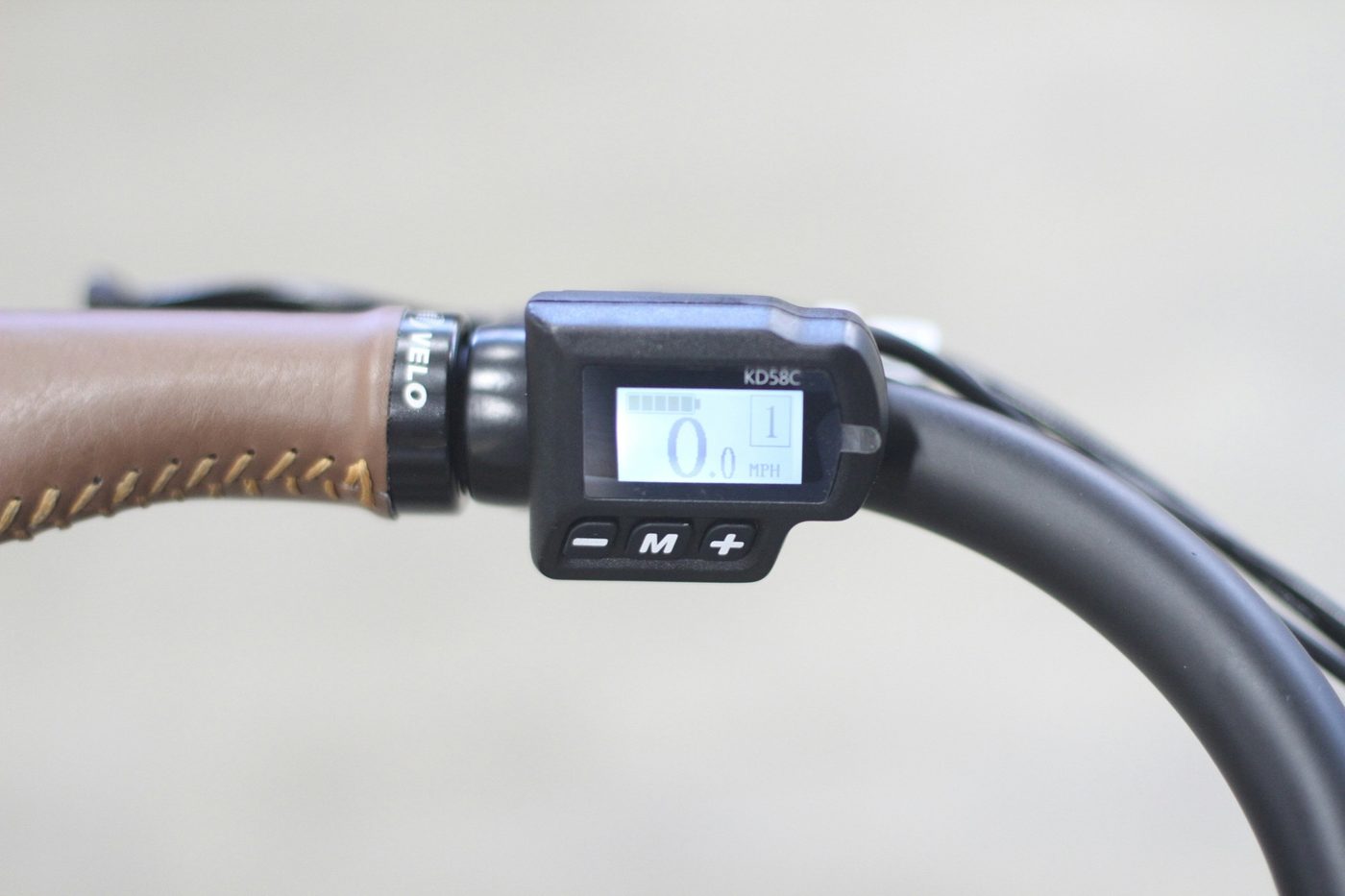
Quick take
- Pay most attention to starts, stops, low-speed control, fit, braking, and how the bike feels in ordinary riding.
- Test one hill if possible, one slower turn, and one restart from a dead stop.
- If a bike already feels awkward in ten minutes, do not assume ownership will magically improve it.
Start with the boring stuff first
Before the ride, stand over the bike, lift it slightly, turn the bars fully, and walk it a few steps. If it already feels too heavy, too wide, too awkward, or too tall, that matters. Ownership includes parking, rolling, locking, and storing the bike, not just riding it.
What to test in the first two minutes
- Get on and off the bike twice.
- Start from a dead stop in your likely assist level.
- Do one tight turn and one slower straight-line crawl.
- Use the brakes firmly but smoothly.
These first minutes reveal more than a fast straight sprint.
What to watch for while riding
Assist behavior
Does the bike come on smoothly or lurch forward? Does it feel easy to manage at low speed? Does it respond naturally when you ease off? The answer matters more than a big peak-power claim.
Fit and posture
Are your wrists, neck, or hips immediately unhappy? Are stops easy? Can you see well in traffic? Do you feel balanced or slightly perched and awkward?
Braking confidence
Heavier bikes should slow with calm, predictable braking. If it feels under-braked now, it will feel worse in rain, on descents, or with cargo.
Steering and front-end feel
Some bikes feel planted. Others feel floppy, wandering, or awkward when loaded with a bag or basket. That matters on real roads.
Try to recreate your actual use case
- Commuters should test a stop-start section, one rough patch, and one hill if possible.
- Apartment riders should walk the bike, lift the front slightly, and judge real maneuverability.
- Family riders should test kickstand stability, low-speed balance, and mounting comfort.
- Budget shoppers should pay close attention to brake feel, fit, and assist smoothness.
Questions to ask after the ride
- Would I want to ride this home in traffic right now?
- Would I want to park and lock this every workday?
- Would I want to move this around my building or garage?
- Did anything feel slightly annoying already?
That last question matters because slight annoyances tend to become major ownership complaints.
Things buyers often notice too late
- bars that feel too wide indoors or in traffic
- a bike that is harder to start smoothly than expected
- pedal assist that feels jumpy in tighter spaces
- an awkward display or control layout
- a bike that simply feels heavier or bulkier than the photos suggested
Bottom line
On a test ride, look for ordinary usability, not just excitement. The right bike should feel easy to start, stop, steer, and imagine living with. The goal is not to be impressed for five minutes. It is to notice whether the bike would still feel good on a normal weekday.
Use these next while you compare final contenders
Do one realism check before you leave
Ask the shop to leave the bike in the assist mode you would actually use. A bike that feels great in a low setting and jerky in the setting you will really choose is not the same thing as a bike that rides well.
Also check one awkward moment on purpose: a restart on an incline, a slow U-turn, or a stop with one foot down and a bag on your shoulder. Real ownership is full of slightly clumsy moments, not ideal demo loops.
What to notice after the ride ends
- Getting off the bike: Was it easy, or did you feel tall, cramped, or off balance?
- Walking it: Some bikes ride fine but feel annoying the second you are off them.
- Lifting or pivoting it: Even one small curb or doorway can tell you a lot.
- Control layout: Could you understand the display, assist buttons, and lockout logic without a tutorial every time?
Questions worth asking while the ride is fresh
- What usually needs the first adjustment after purchase?
- How does this bike behave with a rack, child seat, or panniers if that matters to you?
- What is the realistic service path if the electrical side acts up?
- Would the salesperson choose this bike for the same route you just described?
If the answers feel vague and the ride was only “fine,” keep looking.
Use the test ride to expose annoyance, not to confirm excitement
A test ride is most useful when it deliberately looks for friction. Ride slowly, start from a dead stop, turn tightly, brake hard enough to notice control, and try the bike in the kind of space where you will actually use it. A bike that feels impressive on a clean straightaway can still be annoying at a doorway, traffic light, curb cut, or tight parking area.
This matters even more on cargo and commuter models. Notice how easy it is to swing a leg over, push the bike backward, walk it around a corner, lift the front wheel slightly, or manage it one-handed while holding a bag. Those little moments often predict satisfaction better than top speed or first-impression smoothness.
The best test ride is the one that reveals future inconvenience before you pay for it.