
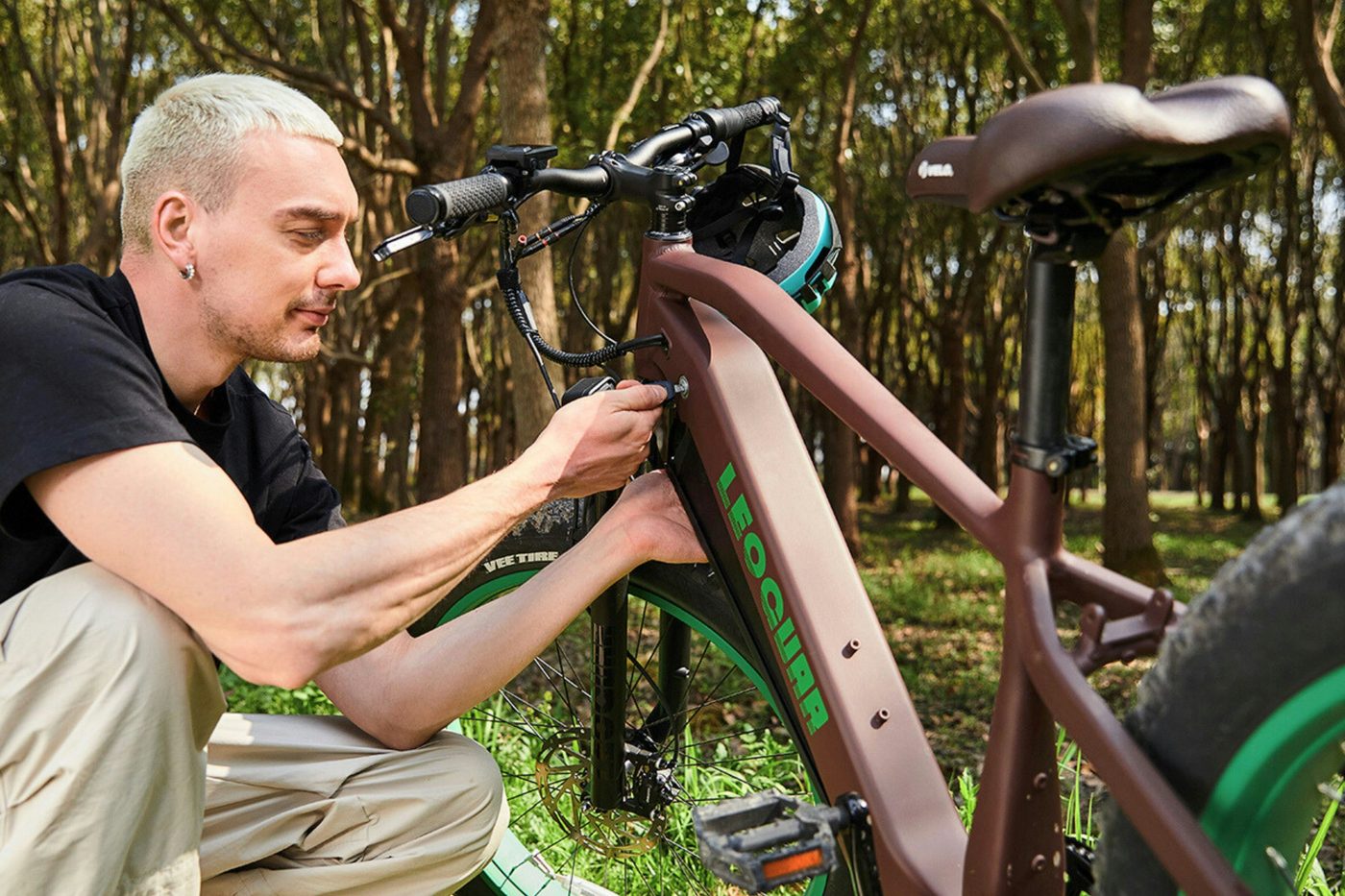
Your e-bike repair kit should not be a fantasy bike-shop bag. It should solve the stuff that actually strands riders: flats, soft tires, loose contact points, fading light, and the small hardware annoyances that turn an easy ride into a long walk. The goal is not to rebuild the bike at the roadside. The goal is to get home.
The core kit almost every rider should carry
- Spare tube or the correct tubeless repair setup: match it to the exact wheel and tire format on the bike.
- Mini pump or reliable inflator: a spare tube without inflation is just optimism.
- Tire levers: still one of the easiest things to forget.
- Compact multi-tool: enough for bar, seat, stem, rack, and accessory adjustments.
- Patch backup: especially useful if flats are more than a rare event on your route.
- Gloves or a rag: not essential, but nice when you ride in normal clothes.
Add these if the bike is your real transportation
- a second inflation option or better mini inflator
- zip ties for loose fenders, lights, kid bars, and accessory rattles
- a tiny flashlight or backup light
- a quick-link or chain emergency piece if you ride farther and know how to use it
- a small first-aid item set if you ride with kids or on longer errands
What cargo-bike and family riders should carry
Family and cargo riders need to think beyond flats. A loose footrest, rattling rail, slipping seatpost, or half-working light matters more when the bike is carrying a child or a heavier total load.
- a better multi-tool with the common hex sizes your accessories use
- spare straps or small retention pieces if your daily setup depends on them
- extra zip ties because family hardware and bags have a talent for shaking loose
- a stronger pump if your larger tires take a little more effort to refill well
What you do not need to carry daily
This is where a lot of riders overpack. You usually do not need a full torque wrench, heavy specialty tools, a giant socket collection, or deep electronic diagnostic gear in your daily bag. If the problem is a motor fault, display issue, controller problem, or battery communication error, the roadside solution is usually troubleshooting later, not a heroic field repair.
Build the kit around your actual route
A short city commute and a long mixed-surface family route do not need the same repair bag. If you are never more than a mile from home, your kit can stay light. If you rely on the bike for school runs, work, or late-day errands, you want more redundancy and a more realistic “get home” plan.
A smart repair kit still starts with prevention
The best repair kit in the world does not make up for neglected tires, bad pressure, or loose accessory hardware. Check tire pressure, look at sidewalls, and pay attention to recurring rattles before they become roadside chores.
Build the kit around your actual ride
A ten-minute city commute and a longer mixed-surface ride do not need the same setup. The smartest repair kit is the smallest one that handles the failures most likely to end your ride: a flat, a loose fastener, a dead light, or a chain or tire issue you could have solved in two minutes if you had packed the right basics.
Core kit for almost everyone
- spare tube or tubeless plug kit matched to your tire setup
- pump or reliable inflator
- tire levers
- compact multi-tool with the hex sizes your bike actually uses
- patches and a small pair of gloves
- chain link or small chain tool if your rides are longer or less walkable
Useful extras that earn their place
- one small rag for chain or wet-weather cleanup
- a zip tie or two for bag, fender, or accessory failures
- spare light charge cable if you rely on USB lights
- tiny bottle of lube if you ride in repeated rain
What not to carry
Do not turn the bike into a rolling hardware drawer. If a tool only matters for workshop jobs, skip it. A practical kit should stay light enough that you actually leave it on the bike or in the bag every day.
Build the kit around your route, not around internet packing lists
A good e-bike repair kit is small enough that you actually carry it and specific enough that it solves the failures you are likely to see. City commuters usually need flat-fix tools, a compact pump or inflator, a multi-tool, and a way to handle a loose rack or fender. Family and cargo riders should care even more about tire support, because walking a loaded bike home is miserable. What you usually do not need is a giant bag full of workshop tools you will never touch on the roadside.
Bottom line
Carry what solves flats, inflation, loose hardware, and minor ride-saving problems. Skip the fantasy workshop. A great e-bike repair kit is small, route-aware, and boring. That is exactly why it works.