
Single-Speed vs Geared E-Bike
Single-speed e-bikes can be wonderfully clean and low-drama. Geared e-bikes are still the safer default for buyers whose routes include hills, wind, cargo, or more than one kind of daily job.
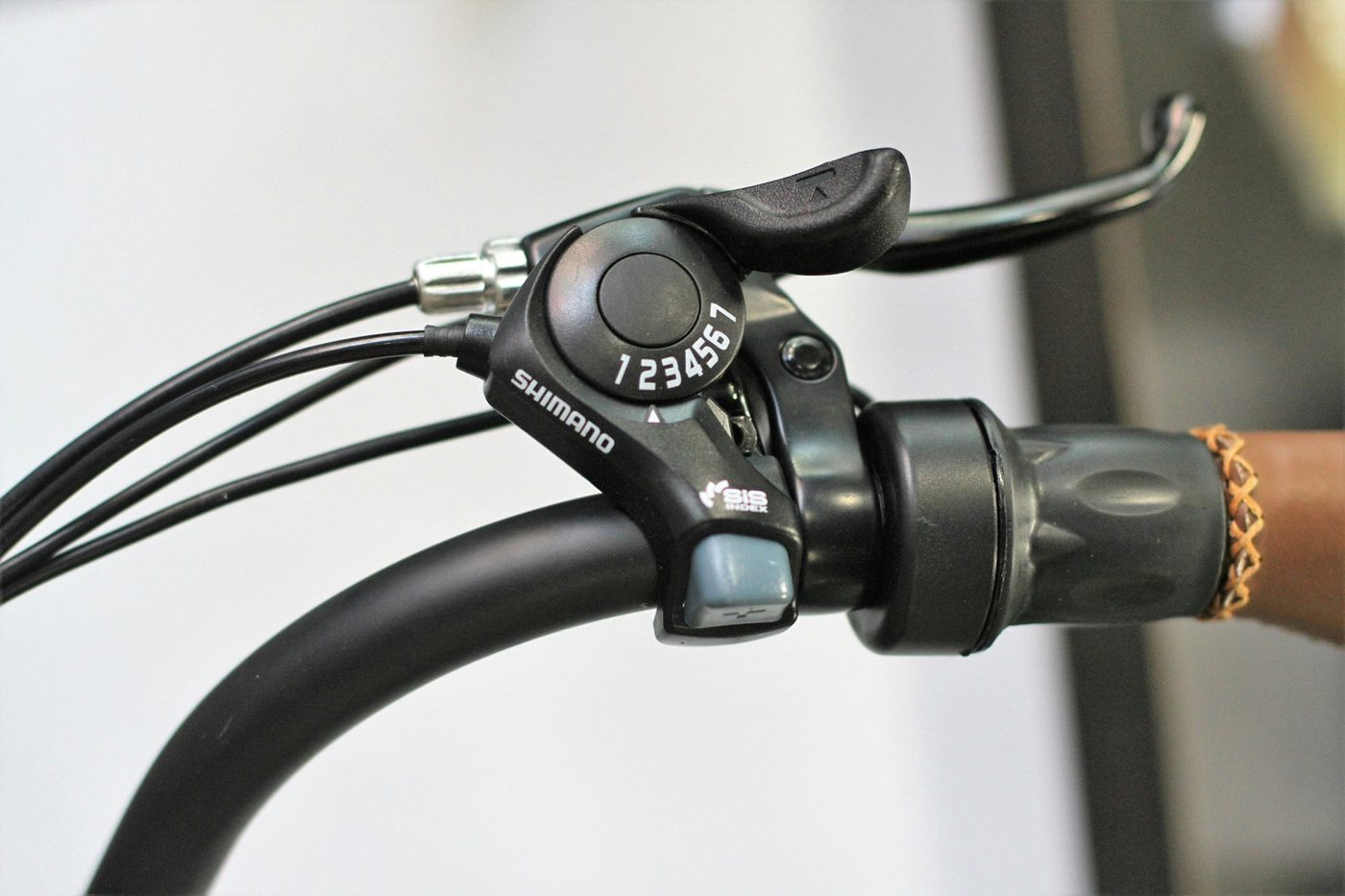
Quick take
Choose single-speed when the route is genuinely easy and the ownership appeal is simplicity. Choose geared when you want more route flexibility and less chance of outgrowing the bike after a month.
Single-speed is not just a style choice
A good single-speed e-bike can feel great. There is less drivetrain clutter, less shifting fuss, and usually a cleaner day-to-day ownership vibe. That matters for apartment riders, short urban trips, flatter terrain, and buyers who know they want a simple city tool more than an all-conditions machine.
Rad's current RadKick lineup makes the split very clear. The 7-speed version is pitched for easier hill climbing and broader route range. The single-speed Belt Drive version is pitched as the lower-maintenance option, with no lubrication, minimal upkeep, and a torque sensor for smoother, more natural assist. That is the real tradeoff in plain English: broader flexibility versus cleaner upkeep.
Why gears still matter even on an e-bike
Motor assist helps, but it does not erase physics. Hills still exist. Headwinds still matter. Cargo still makes starts harder. A geared e-bike gives you more ways to keep the bike feeling comfortable across changing conditions, especially when the bike has to do commuting one day and errands the next.
This becomes more important as rider weight, route steepness, passenger load, or trip length rises. The more real work the bike has to do, the less likely single-speed feels like the smart all-around answer.
Choose single-speed if
- your route is mostly flat and predictable
- rides are shorter and usually solo
- you care a lot about lower-maintenance day-to-day ownership
- you already know you are buying a city bike, not a do-everything bike
- you want the quieter "less to mess with" feeling of a simpler drivetrain
Choose geared if
- you have real hills, wind, bridges, or mixed terrain
- the bike will handle commuting plus errands or grocery runs
- you are carrying a heavier rider, more cargo, or occasional passengers
- you want one bike that still feels useful if your routine changes later
- you do not want the route itself deciding when the bike feels under-gunned
What buyers usually underestimate
Many people think single-speed means "easy" and geared means "fussy." In practice, the opposite can happen. A single-speed bike on the wrong route can feel annoying every week. A geared bike often fades into the background once you get used to it. The bigger regret is usually buying too little flexibility, not buying one shifter too many.
How to decide in 30 seconds
- Flat neighborhood, short solo rides, low-maintenance instinct: single-speed is worth serious consideration.
- Uncertain route, hills, cargo, longer commuting, one-bike-for-everything plan: geared is the safer answer.
- Apartment owner who still has a hard route: do not let simplicity talk you into the wrong drivetrain.
Bottom line
Single-speed can be excellent when the job is narrow and the route is friendly. Geared remains the better default for most buyers because most real routines are messier than the product page suggests. Buy for the hardest normal day, not the easiest one.
Single-speed is mainly an ownership decision
Buyers sometimes treat this like a performance comparison, but for many city riders it is really a complexity comparison. A single-speed style e-bike is attractive because it can feel cleaner, quieter, and easier to live with. A geared bike is attractive because it gives you more flexibility when the route changes, the wind picks up, or you start carrying more weight.
Who gets along best with single-speed
- mostly flat-route commuters
- riders with shorter mileage and modest speed expectations
- buyers who value low fuss more than broad capability
- people pairing that simpler setup with a lighter city-bike style build
Who should not force it
If your route includes repeated hills, stop-and-go starts with extra cargo, or days where you want the bike to cover a wider range of tasks, geared usually wins. The mistake is buying single-speed because it sounds elegantly simple, then discovering your actual riding routine is not simple at all.
Pressure-test the drivetrain choice with these pages
Why one gear can feel great until the route changes
Single-speed e-bikes are easiest to like when the route is short, fairly flat, and repetitive. They can feel tidy, quiet, and low-fuss, which is exactly why they appeal to riders who want a simple city bike rather than a project. But the simplicity stops feeling elegant once you add hills, stronger headwinds, faster mixed-speed riding, or heavier loads.
Geared bikes give you more ways to stay comfortable across a wider range of real conditions. That matters for riders who commute in different weather, carry bags, or use the same bike for both errands and longer rides. The extra complexity is usually small compared with the benefit of not feeling under-geared on bad days.
Pick single-speed when the point is simplicity and the route truly supports it. Pick gears when the bike needs to be flexible, not just clean-looking.
How to use this page
This page is reviewed under ElectricBikeCompare editorial standards and published by Nofo Times LLC. The goal is to help you choose around fit, storage, charging, support, safety, and day-to-day ownership, not just the best-looking spec sheet. Where a page leans on manufacturer claims, we cross-check them against the practical tradeoffs buyers usually run into after purchase.
For the full site method, read How We Evaluate E-Bikes or contact info@electricbikecompare.com.