
Fat-Tire vs Standard-Tire E-Bike
A practical fat-tire versus standard-tire e-bike guide focused on ride feel, weight, apartment life, commuting, and real tradeoffs.
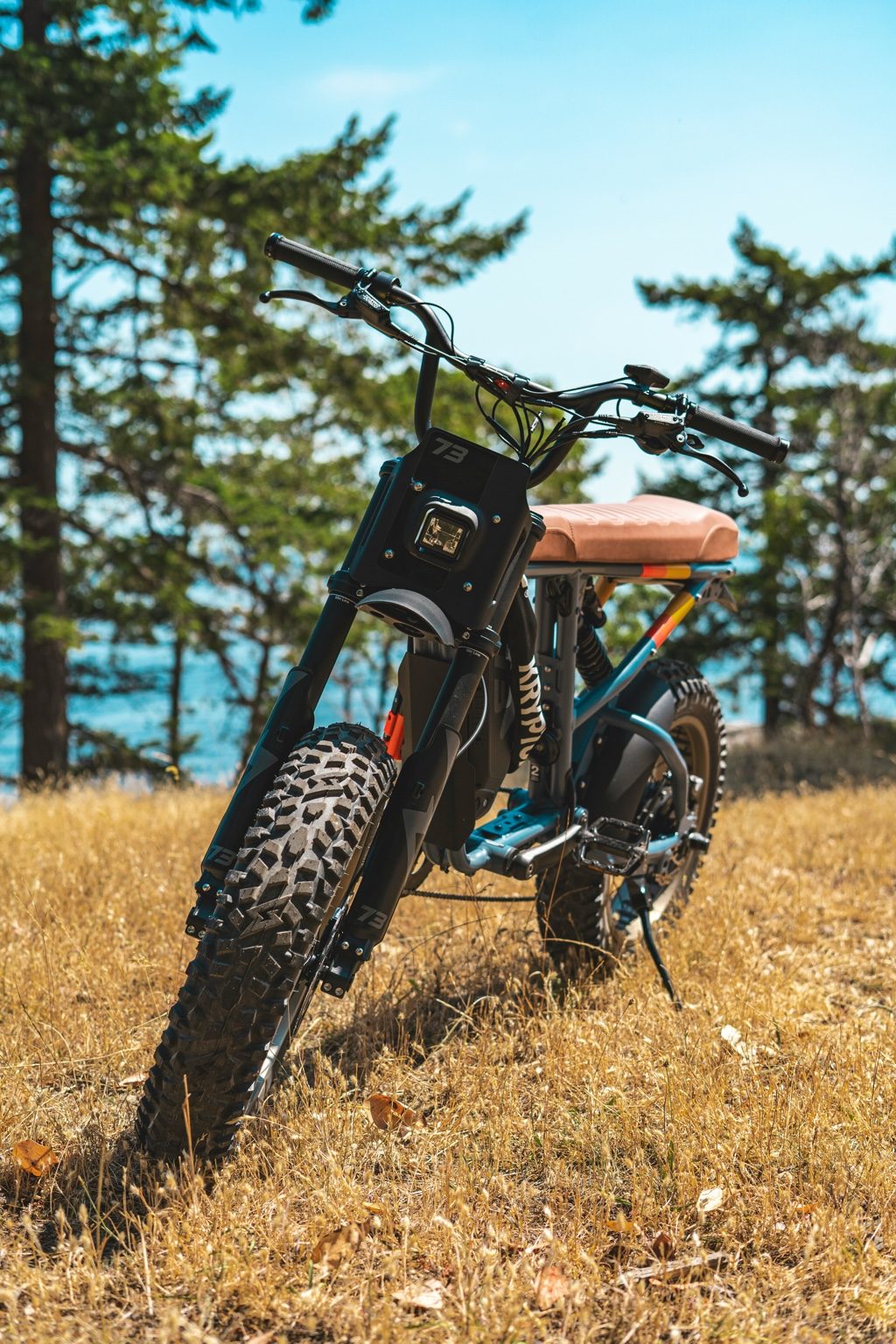
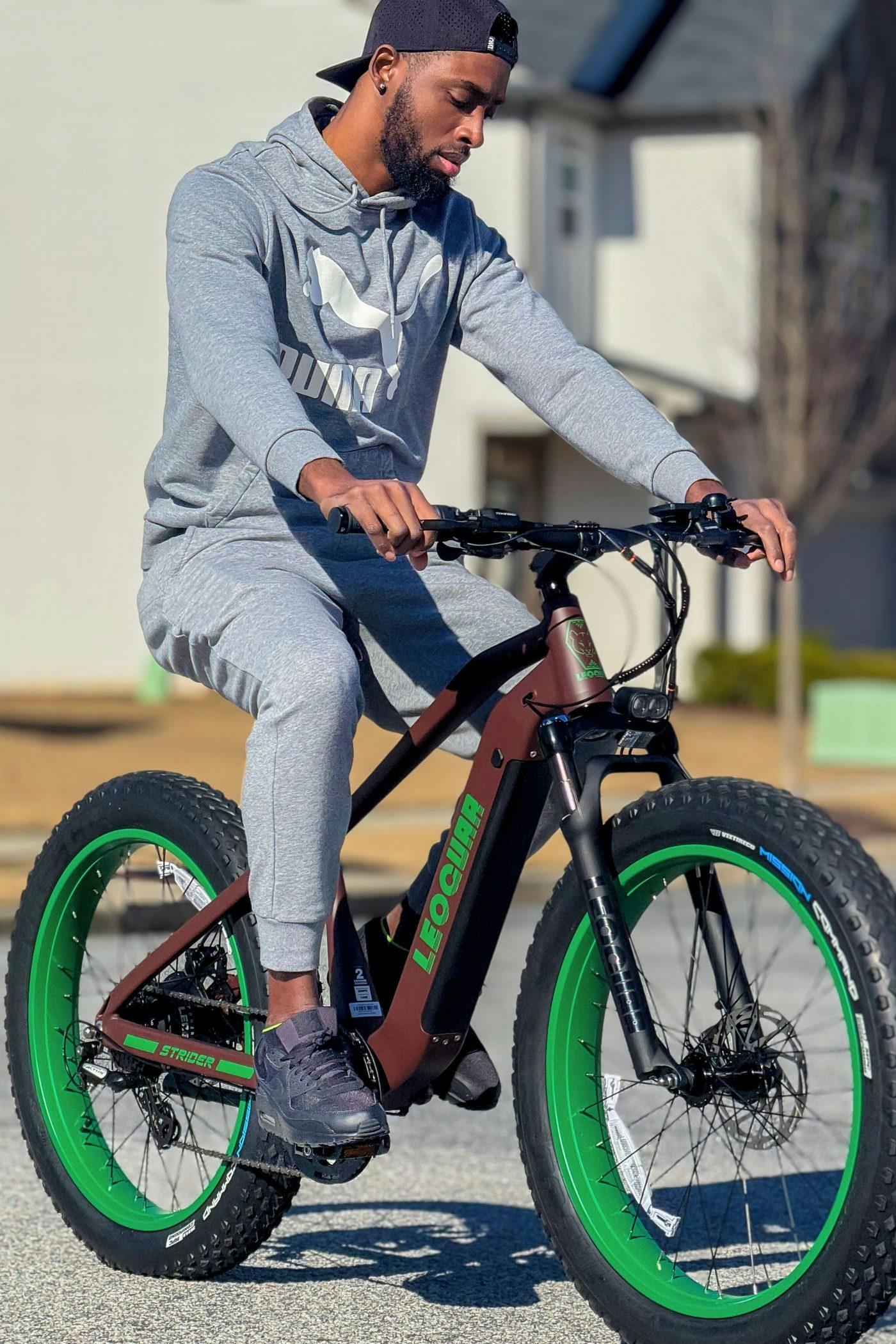
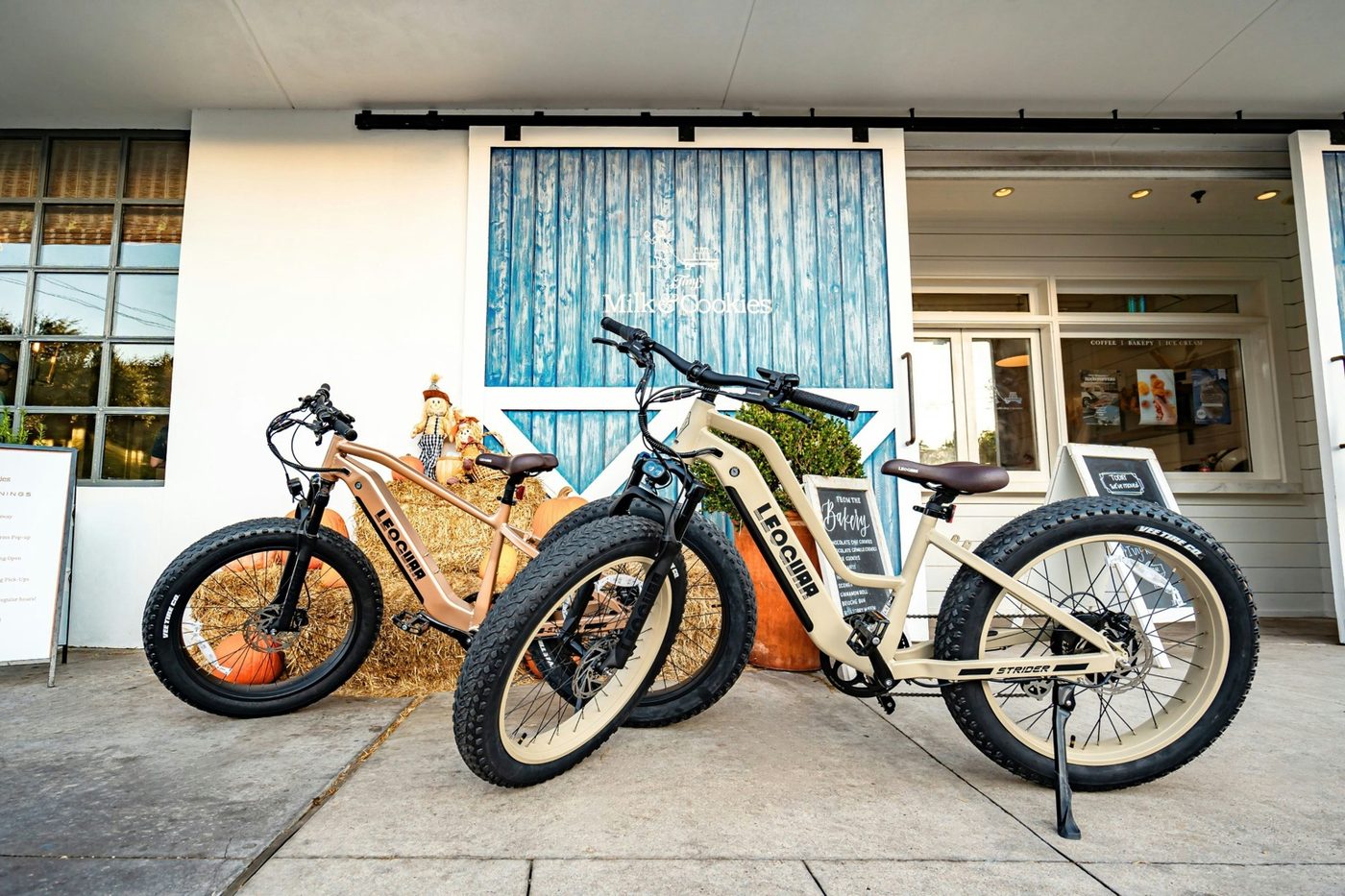
This is really a terrain-and-hassle decision
Fat-tire bikes look versatile because they signal comfort and confidence. Standard-tire bikes often work better for the actual lives most adult buyers lead. The choice should be based on terrain, storage, weight, parking, and how often you really need extra tire volume versus how often you need a bike that feels normal and efficient.
Where fat-tire bikes make sense
- looser surfaces like sand, gravel, mixed trails, or sloppy winter streets are part of normal riding
- you prioritize planted feel and comfort over efficient city handling
- the bike will not need to be carried often and storage space is forgiving
Where standard-tire bikes usually win
- commuting, errands, apartment living, and general city riding are the real mission
- you care about lighter feel, easier handling, and less rolling drag
- the bike will live in tighter storage, go up ramps, or get parked in more normal bike spaces
What buyers underestimate
Fat tires can add comfort and confidence, but they often bring more bulk, more visual size, and a slower-feeling ride in situations where a normal city tire would already be enough. They can also make an e-bike feel more like a thing to manage than a thing to grab and use.
What apartment and commuter riders should care about most
If you live in an apartment, carry the bike through doors, or park in normal office and school racks, standard-tire bikes usually age better as a daily tool. They fit more places, feel less bulky at walking speed, and generally make it easier to use the bike without planning around the bike.
What off-pavement riders should care about most
If your riding regularly includes rough shoulders, mixed paths, washed-out gravel, or winter slush, fat tires can be genuinely helpful. The point is not that they are more impressive. The point is that they create more margin where the surface itself is the problem.
Quick rule by use case
Pick fat tire
Your route regularly includes loose, rough, or wintery surfaces and you have the space to live with a bulkier bike.
Pick standard tire
Your life is mostly pavement, bike lanes, errands, and normal parking or storage.
Do not shop by image alone
Many buyers choose fat tires for a confidence feeling they could have gotten from better fit, lower standover, or a calmer commuter bike.
The practical bottom line
Buy the tire style that matches where the bike will actually live. Fat tires are best when the surface demands them. Standard tires are usually better when the rest of your life is the harder part.
What buyers usually get wrong
They assume fat tires equal comfort and confidence in every situation. Sometimes they do help on loose or broken surfaces, but they also add drag, bulk, and storage hassle. Standard-width tires are often the better everyday answer for pavement, commuting, and apartment life.
Choose fat tires when
- your route includes sand, snow, rough dirt, or badly broken surfaces often enough to matter
- you care more about planted feel than quick steering or efficient range
- you have the storage space for a bulkier bike and the extra weight does not change your life
Choose standard tires when
- most riding is on pavement or ordinary city streets
- you want easier handling indoors, easier wheel/tire sourcing, and less bulk
- range, portability, and normal-bike feel matter more than monster-truck aesthetics
The hidden ownership tradeoff
Fat-tire bikes can make simple things more annoying: carrying the bike, fitting it in a rack or hallway, buying replacement tubes or tires, and parking it in a tight apartment. Standard-tire bikes are often easier to own even when they look less dramatic in a product photo.
What riders usually learn after a few weeks
Fat tires feel reassuring at first because they look capable and they smooth out some rough surfaces. The tradeoff is that they can make a bike bulkier, heavier, slower to maneuver indoors, and less efficient on ordinary pavement. Standard-width tires usually feel more normal in daily city use and are often easier to live with if your routes are mostly streets, paths, and parking areas rather than loose or soft terrain.
- Fat tires: more confidence on rough, loose, or ugly surfaces and a cushier first impression.
- Standard tires: easier handling, less bulk, and usually a more realistic fit for commuting and mixed city use.
Shop for surface reality, not fantasy capability
Many buyers imagine beach paths, snow, or chunky shortcuts and end up riding regular pavement 95 percent of the time. If that sounds like you, standard tires are usually the smarter call. Fat tires make more sense when the difficult surfaces are not occasional novelties but a regular part of how the bike will be used.
Use these pages to narrow the shortlist
These follow-up pages help when the tire question is really about commuting, storage, or buying the easiest bike to live with.
How to use this page
This page is reviewed under ElectricBikeCompare editorial standards and published by Nofo Times LLC. The goal is to help you choose around fit, storage, charging, support, safety, and day-to-day ownership, not just the best-looking spec sheet. Where a page leans on manufacturer claims, we cross-check them against the practical tradeoffs buyers usually run into after purchase.
For the full site method, read How We Evaluate E-Bikes or contact info@electricbikecompare.com.