
Can You Get Real Exercise on an E-Bike?
Yes. The better question is whether an e-bike helps you ride often enough, far enough, and consistently enough to make exercise part of your normal life instead of an occasional heroic effort.
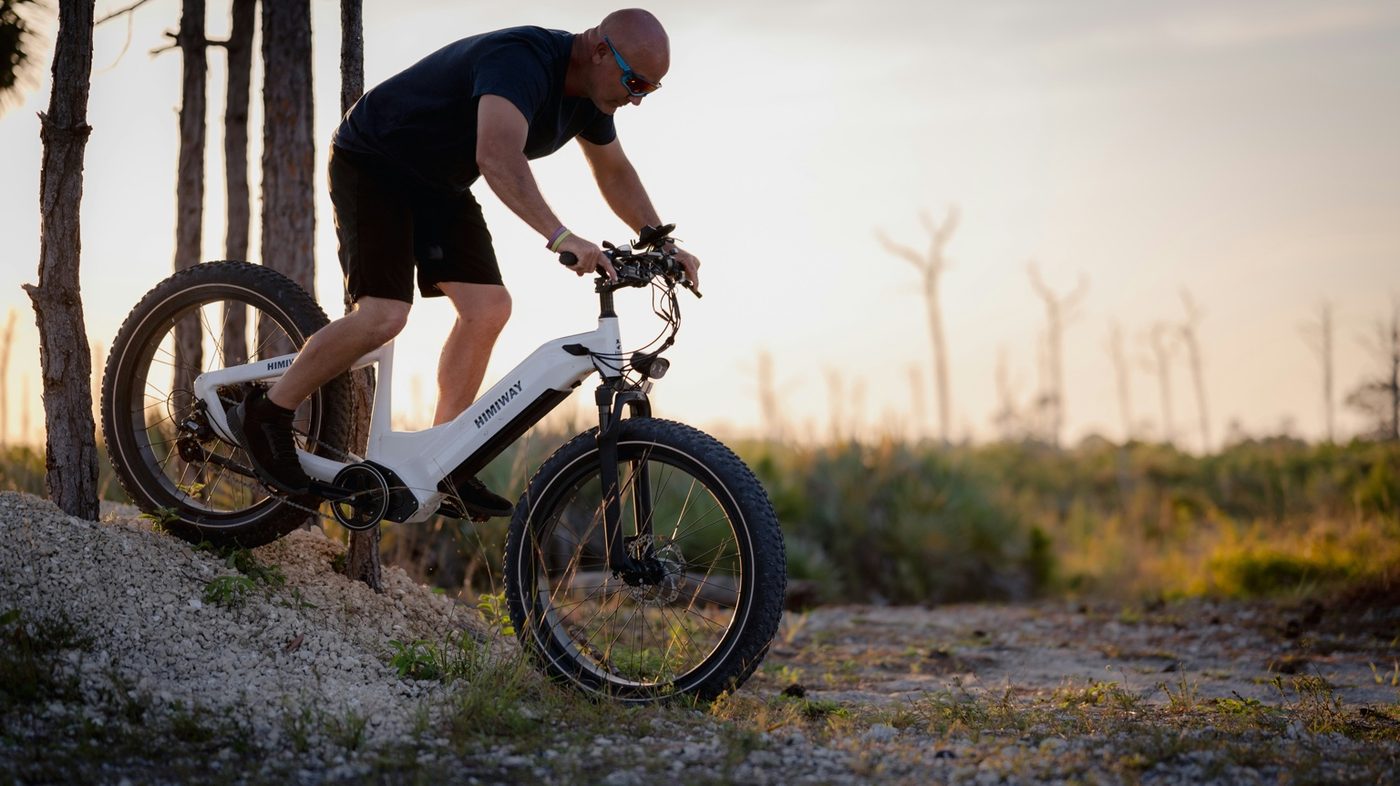
Quick take
- Yes, an e-bike can absolutely count as real exercise.
- The assist often helps people ride more often, for longer, and with less skip-the-ride friction.
- The best exercise bike is usually the one you actually use several times a week.
Why e-bikes still work physically
You are still pedaling, balancing, accelerating, climbing, and spending time moving under your own effort. The motor changes how hard each moment feels, but it often increases total time on the bike and total number of rides. For a lot of adults, that is the more important outcome.
Where the exercise value comes from
The exercise benefit often comes from consistency, not suffering. Riders who would skip a regular bike because of hills, distance, sweat, fatigue, or time pressure often keep using an e-bike. That can produce more overall activity than owning a harder bike that stays parked.
How to get more exercise from one
- use lower assist when the route and schedule allow it
- ride longer than the bare minimum trip when you have time
- carry cargo or ride hills without treating the motor like an on-off cheat code
- use the bike for everyday transport, not just occasional leisure rides
What ruins the benefit
The biggest threat is not “too much assist.” It is not riding much. If the bike is awkward to store, charge, or lock, you will use it less. Ownership friction matters here too.
Who benefits most
E-bikes are especially strong for people returning to riding, managing longer commutes, dealing with hills, or trying to fit movement into normal weekday life. The assist lowers the barrier enough that riding becomes realistic instead of aspirational.
What kind of riding actually feels like exercise
For most adults, the answer is not hidden in a heart-rate debate. It is whether the ride asks enough of you often enough. An easy flat two-mile cruise in max assist can still be worthwhile movement, but the real exercise value usually shows up when you do one or more of these things consistently:
- ride long enough that your breathing changes a little instead of just spinning for five minutes
- use assist as support rather than full compensation on hills and headwinds
- replace short car trips and transit legs with steady everyday riding
- build a weekly routine where the bike appears several times, not once
How to make the bike work harder without making life harder
The trap is turning the e-bike into a fake road-bike purity project and then using it less. A better approach is to keep the bike convenient while nudging the workload up in ways that still fit normal life.
- Lower the assist one step on familiar routes: enough to feel your legs working, not enough to dread the ride.
- Leave earlier once or twice a week: then ride the longer route home instead of the shortest route there.
- Pedal through starts and hills: let the motor help, but do not coast on throttle or max assist every time.
- Carry real-life cargo: a laptop, groceries, or kid gear adds load without turning the ride into a workout stunt.
When a regular bike is still the better exercise answer
If your rides are short, flat, and always close to home, a regular bike may give you all the movement you want with less weight and less charging. But once distance, sweat control, hills, or time pressure start pushing you off the bike entirely, the e-bike usually wins because it keeps the routine alive.
How to turn an e-bike into a real fitness tool
The easiest mistake is to treat the motor like an on-off switch. Riders who actually get fitter usually use the assist to smooth out the ugly parts of the route, not to erase all effort. That means using lower assist on flatter sections, raising cadence instead of mashing big gears, and saving higher assist for headwinds, bridges, loaded errands, or the days when the alternative would have been driving. In practice, an e-bike is often better for consistency than a regular bike because it reduces the number of rides you skip.
If your main goal is exercise, build the routine around time and frequency instead of speed. Four thirty-minute rides per week on an e-bike usually beat one heroic unassisted weekend ride that leaves you sore and inconsistent. The motor helps you hold a useful effort range without arriving destroyed, sweaty enough to regret the trip, or discouraged by a rough hill on the way home.
Who gets less exercise than they expected
- Throttle-only riders on easy routes: If you rarely pedal with purpose, the bike becomes transportation first and exercise second.
- Buyers who oversize the motor for the job: A very powerful setup on a mild commute can make it too easy to stop contributing much.
- Riders with no routine: The health win comes from repeated use, not from one impressive ride every couple of weeks.
Bottom line
Yes, you can get real exercise on an e-bike. The real advantage is that it can turn movement into a repeatable habit instead of a special event. For many adults, that is more valuable than squeezing maximum intensity out of a bike they use half as often.