
Aventon Level vs Pace
This is commuter seriousness versus relaxed city comfort. Level is the better transportation-first buy. Pace is the better comfort-first neighborhood and everyday cruiser buy.
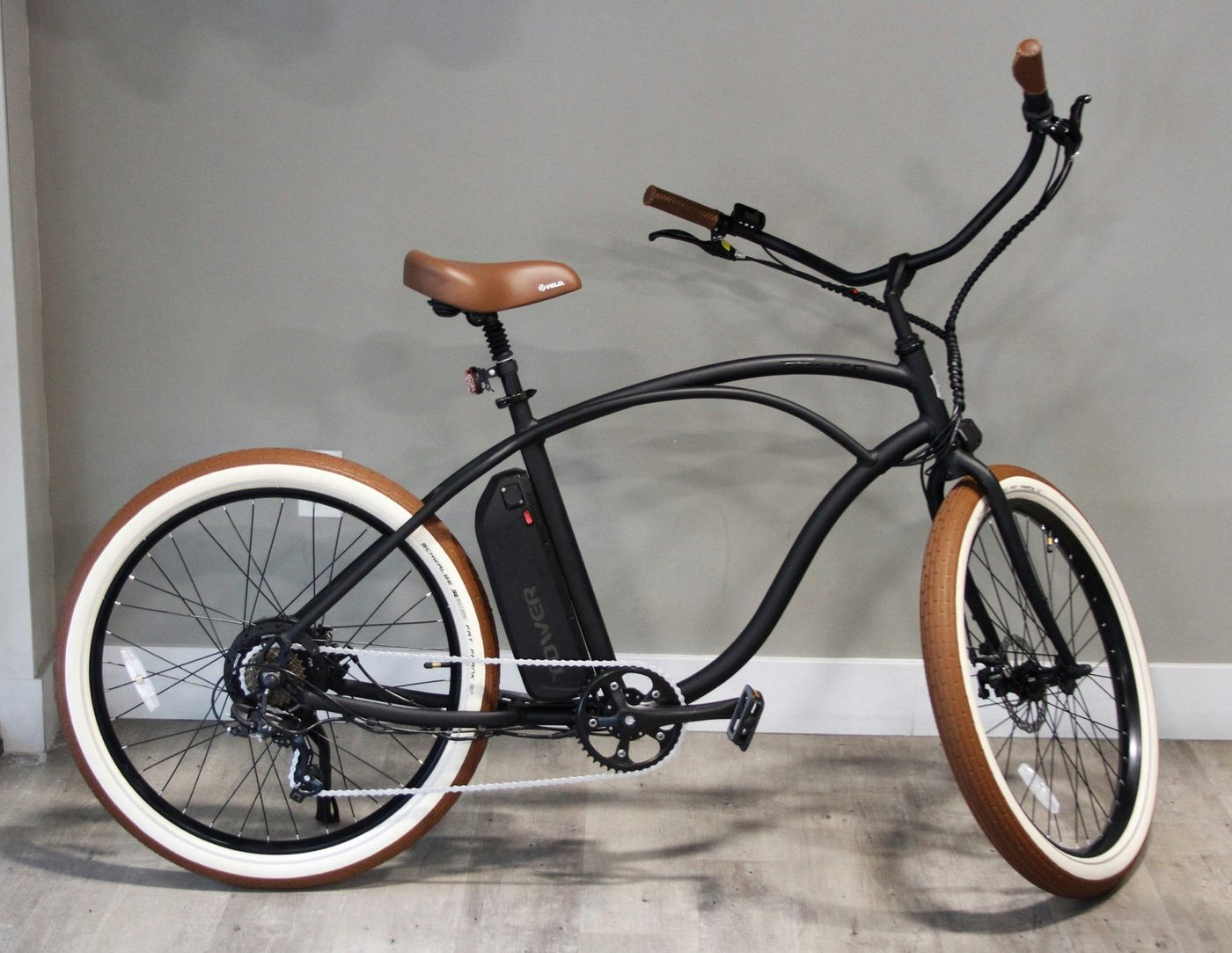
Level usually wins when…
- you want a true commuter with rack, fenders, and more work-ready posture
- weekday transportation matters more than pure leisure riding
- you want more built-in commuting logic from day one
Pace usually wins when…
- you want easiergoing comfort and an easier step-through feel
- you do not need the bike to feel as task-oriented
- relaxed neighborhood and path riding matter most
Best quick rule
- Pick Level for commuting first.
- Pick Pace for comfort first.
The short version
Level is Aventon’s commuter line and it acts like one. Aventon’s current Level 3 comes with rack-and-fender utility, suspension, up to a 70-mile range claim, and the same newer ACU smart features found on other current hub-driven Aventons. Pace 4 is the more relaxed cruiser-style platform. It uses the same newer sensor-switch concept that lets riders toggle between torque and cadence feel, but the geometry and mission are clearly easiergoing. If you want your bike to replace weekday transportation, Level is easier to defend. If you want comfort and simple enjoyment first, Pace is.
Where Level clearly wins
- Commuting completeness: rack, fenders, and more transportation-friendly setup matter.
- Mixed-surface comfort: suspension fork and seatpost help on rough streets and longer utility rides.
- Car-replacement logic: Level feels built around work, not just cruising.
Where Pace clearly wins
- Relaxed posture: it feels less like a commuter project and more like easy city riding.
- Stop-start ease: the step-through frame and cruiser format are simply friendlier for many adults.
- Neighborhood use: beach-town, path, and casual-town riding suit it better.
Shared strengths that actually matter
Both current bikes sit in Aventon’s newer app-connected world. Pace 4 gets the brand’s newer security and convenience story, including the integrated rear wheel lock, over-the-air updates, and cross-model keyless battery system. Level 3 gets the commuting version of that same thinking: smart security, ride tuning, and better built-in everyday usefulness. So this is not old-bike versus new-bike. It is two different jobs with a lot of shared technology underneath.
Best quick rule
Choose Level when you will feel annoyed by adding commuter accessories or wishing the bike felt more work-ready. Choose Pace when you know a more upright, more relaxed ride will make you use the bike more often. Most buyers know which side they are on within about ten seconds of imagining their usual route.
Think job description, not brand loyalty
These bikes overlap on price and basic mission, but they are not twins. Level is the better answer when the bike needs to behave like transportation: longer weekday rides, more bad pavement, more time carrying a bag or groceries, and more tolerance for faster point-to-point riding. Pace is the easier answer when comfort, lower mental effort, and neighborhood riding matter more than squeezing utility out of every weekday trip.
What changes the ownership experience
- Level: easier to justify as a car-replacement commuter because the rack-and-fender setup, more commuter-leaning posture, and everyday utility arrive closer to ready-made.
- Pace: easier to live with if you want a relaxed bike you actually enjoy hopping on for shorter rides, errands, and flatter routes without feeling like you bought a mini work vehicle.
Pick Level if these are true
- your route is long enough that posture and all-weather utility matter
- you expect to ride with a bag, pannier, or regular cargo most weeks
- you want the more defensible weekday bike even if it feels a little less casual
Pick Pace if these are true
- most rides are shorter and less demanding
- you value easy mounting, comfort, and low-stress riding more than commuter seriousness
- you want a bike that feels friendlier for mixed riders in the household
Bottom line
Level is the smarter commuter. Pace is the smarter comfort cruiser. Do not pick Pace just because it looks easier if what you really want is transportation. Do not pick Level just because it sounds more serious if what you actually want is a bike that feels easier and more inviting every day.
What the wrong choice feels like after purchase
If you buy Pace when you really needed Level, the bike usually starts to feel too leisurely once regular commuting, bags, and rougher streets show up. If you buy Level when you really wanted Pace, the bike can feel a little more serious and task-oriented than your rides actually require. That is why the smartest tie-breaker is not speed or brand loyalty. It is whether your day-to-day use feels more like transportation or relaxed local riding.
- Wrong-bike Pace feeling: wishing the bike felt more ready-made for weather, carrying, and repeated weekday use.
- Wrong-bike Level feeling: realizing you bought a more commuter-shaped bike than your easier, shorter rides really need.
Who tends to be happier long term
Level owners tend to stay happier when they use the bike like a real utility tool. Pace owners tend to stay happier when the bike succeeds because it feels easy to hop on, not because it is doing maximum work. That is the cleanest long-term split in this comparison.
Read these next before you pick one
How to use this page
This page is reviewed under ElectricBikeCompare editorial standards and published by Nofo Times LLC. The goal is to help you choose around fit, storage, charging, support, safety, and day-to-day ownership, not just the best-looking spec sheet. Where a page leans on manufacturer claims, we cross-check them against the practical tradeoffs buyers usually run into after purchase.
For the full site method, read How We Evaluate E-Bikes or contact info@electricbikecompare.com.